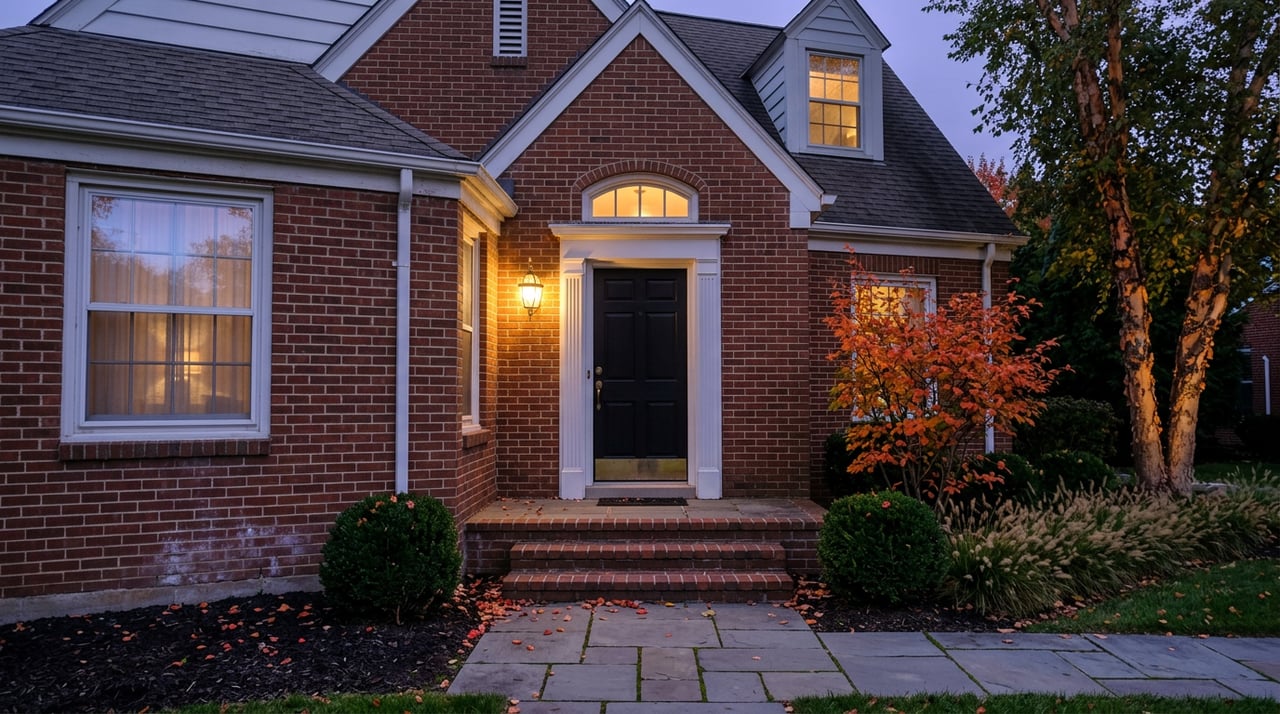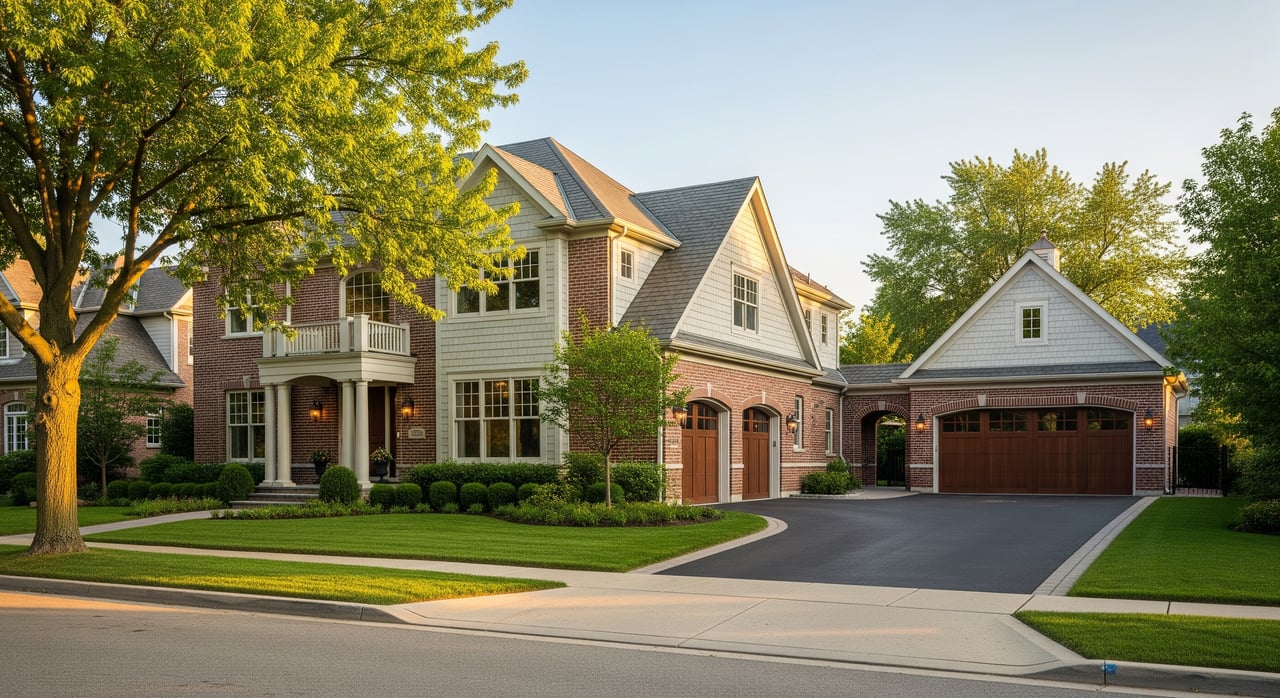
Preparing for an Aurora inspection or planning to sell soon? Small issues like peeling paint, loose railings, or unpermitted work can snowball into fines, delays, or renegotiations at closing. If you get ahead of common code violations, you protect your budget and your timeline. In this guide, you’ll learn what inspectors look for in Aurora, how to fix problems fast, and which local offices to contact to stay compliant. Let’s dive in.
Common Aurora code violations
Exterior maintenance and safety
Inspectors look for peeling or flaking paint, rotted trim or siding, damaged roofing, sagging porches or steps, and missing or loose handrails. These items affect safety and weather protection, and they are easy to spot from the street. Correct by repairing or replacing damaged materials, securing handrails, fixing roof leaks, and cleaning gutters and downspouts. Keep invoices, photos, and permits or final inspection records for structural work.
Trash, debris, and inoperable vehicles
Yard clutter, leftover construction materials, appliances stored outdoors, and unregistered or inoperable vehicles often trigger nuisance citations. Clear the property, schedule large-item pickup, and store materials off site if needed. Remove or properly register vehicles. Save disposal receipts and take after photos to show compliance.
High weeds and overgrowth
Overgrown grass and weeds, especially along parkways and sidewalks, can lead to citations. Overgrowth can hide pests and block visibility. Mow and trim regularly, remove noxious weeds, and edge along curbs and walkways. Municipalities set a maximum height, so confirm Aurora’s specific standard before inspection.
Unpermitted work or unsafe DIY repairs
Evidence of structural, electrical, plumbing, or HVAC changes without a permit can halt a sale or require costly fixes. If you discover unpermitted work, consult the Building Safety Division about after-the-fact permitting options. Hire licensed contractors for corrections and request required inspections. For homes built before 1978, renovations that disturb painted surfaces may fall under federal lead-safe rules, so use certified professionals and keep documentation.
Windows, doors, and egress
Broken windows, doors that do not latch, and bedrooms that do not meet egress requirements are common. These items affect life safety and security. Replace broken panes, ensure latching locks, and confirm that sleeping rooms meet egress rules. Keep records of repairs and any required permits.
Electrical, appliances, and HVAC
Inspectors note missing covers on electrical panels, unsafe wiring, unvented combustion appliances, and lack of heat in winter for rental units. Engage licensed electricians or HVAC technicians to make repairs and confirm whether permits are required. Prioritize life-safety items first and plan for final inspections where needed.
Pools, fences, and gates
Unsecured pools or broken barriers and gate latches are life-safety issues. Inspect all fences and gate hardware to ensure proper function. Repair or replace components to meet pool barrier standards and keep proof of work.
Pest activity and building seal
Evidence of rodents or insects and openings around the exterior can lead to violations. Schedule pest control, seal gaps and cracks, and clean up attractants like yard debris. In multiunit or rental settings, address pests promptly to maintain habitability.
Signage and business use
If you operate a business from home or display signage, you may need approvals. Remove unpermitted signs and confirm that your use follows local zoning and permit conditions. Check with Planning and Zoning for details if you are unsure.
Rental-specific items
Landlords should confirm smoke and carbon monoxide detector placement, working locks, adequate heat, and safe exits. Some municipalities require rental registration and periodic inspections. Verify Aurora’s current requirements before tenant move-in or renewal.
A practical pre-inspection checklist
Quick exterior sweep today
- Mow the lawn, trim bushes, and remove weeds on your lot and parkway.
- Remove trash, appliances, leftover materials, and clutter from the yard.
- Register or remove inoperable vehicles.
- Clean gutters and make sure downspouts are clear and secured.
Safety and habitability in 1 to 7 days
- Secure loose steps and handrails and repair trip hazards.
- Replace nonworking exterior lights and address any visible wiring concerns.
- Test smoke and carbon monoxide detectors and install replacements as required.
- Fix broken windows and doors to close and lock properly.
Permits and documentation in 1 to 14 days
- Search the City of Aurora permit records or call Building Safety to confirm past permits.
- If unpermitted work is found, ask about after-the-fact permits and inspections.
- Hire licensed pros for structural, electrical, plumbing, or HVAC work and request final inspection sign-offs.
- Keep permits, inspection cards, and receipts in one folder for easy review.
Bring in the right pros in 3 to 21 days
- Consider a pre-listing home inspection to surface issues a buyer or city inspector may flag.
- Use licensed trades for repairs that impact safety or require permits.
- Schedule final inspections as corrections are completed.
For sellers of older homes
- If your home was built before 1978, provide the required lead-based paint disclosure to buyers and follow federal rules when renovations disturb painted surfaces.
- Disclose known defects or unpermitted work honestly to reduce risk of delays.
What to assemble before listing or inspection
- Copies of permits and final inspection approvals.
- Contractor licenses, insurance, and repair receipts.
- Waste removal receipts and before-and-after photos with dates.
- Any correspondence with Code Enforcement that shows compliance or timelines.
Cost and timing expectations
- Yard cleanup, minor paint touch-ups, and small repairs are usually quick and affordable.
- Structural, electrical, plumbing, and HVAC work can take several days to weeks, especially if permits and inspections are needed.
- Major unpermitted work that does not meet current code may require redesign, retrofits, or replacement. Build extra time into your sale or rent-ready plan.
Who to contact locally
City of Aurora
- Building Safety Division and Permit Office: Ask about permit needs, retroactive permits, and how to schedule inspections.
- Code Enforcement or Neighborhood Services: Confirm property maintenance standards, nuisance rules, and timelines for compliance.
- Fire Department: Clarify life-safety items such as smoke and carbon monoxide detector standards.
- Planning and Zoning: Discuss changes of use, accessory structures, or signage if applicable.
Kane County offices
- Recorder and Assessor: Look up deed and parcel history that can help verify prior work or ownership details.
- Health Department or environmental office: For wells, septic systems, and related records when county jurisdiction applies.
State and federal references
- U.S. EPA: Review the lead-based paint disclosure and Renovation, Repair and Painting rule for pre-1978 homes.
- Illinois licensing resources: Verify contractor licensing where applicable.
How to vet contractors
- Ask for license numbers, proof of insurance, and references.
- Request a written scope of work and clear estimates.
- For safety-critical work, insist on required permits and final inspection sign-offs.
Keep your sale or inspection on track
Code violations do not have to derail your plans. By tackling exterior maintenance, clearing nuisances, and addressing safety items early, you reduce risk and improve buyer confidence. If a citation or unexpected finding comes up, coordinate quickly on permits and inspections. For pending sales, talk with your agent and attorney about realistic timelines or escrow options if work must extend past closing.
Work with a local guide you can trust
You do not have to navigate permits, repairs, and inspections alone. With strong Fox Valley market knowledge and a vetted network of local inspectors and contractors, Marzena Castillo helps you prioritize repairs, assemble documentation, and market your home with confidence. If you are preparing for an Aurora inspection or sale, let’s create a clear plan that protects your time and budget.
Ready to get started? Schedule your free consultation with Marzena today.
FAQs
Will code violations stop a home sale in Aurora?
- They can delay closing, prompt buyer repair requests, or affect financing if safety or habitability concerns exist. Proactive fixes and documentation reduce risk.
How do I check if work at my Aurora home had permits?
- Contact the City of Aurora Building Safety Division or search the city’s permit records. The Kane County Recorder may have related history. Ask the city about after-the-fact permits if records are missing.
How much time do I get to correct an Aurora citation?
- Timelines vary by violation type and local policy. Expect a notice period and follow-up inspection. Confirm the exact window with Code Enforcement.
What if repairs are needed but I am already under contract?
- Start permits and inspections as soon as possible and coordinate with your buyer and lender. Your agent and attorney can advise on escrow holdbacks if work will continue after closing.
Are rental properties in Aurora held to different standards?
- Landlords must meet habitability and safety standards and may have separate rental registration or inspection requirements. Confirm current Aurora rules before leasing.