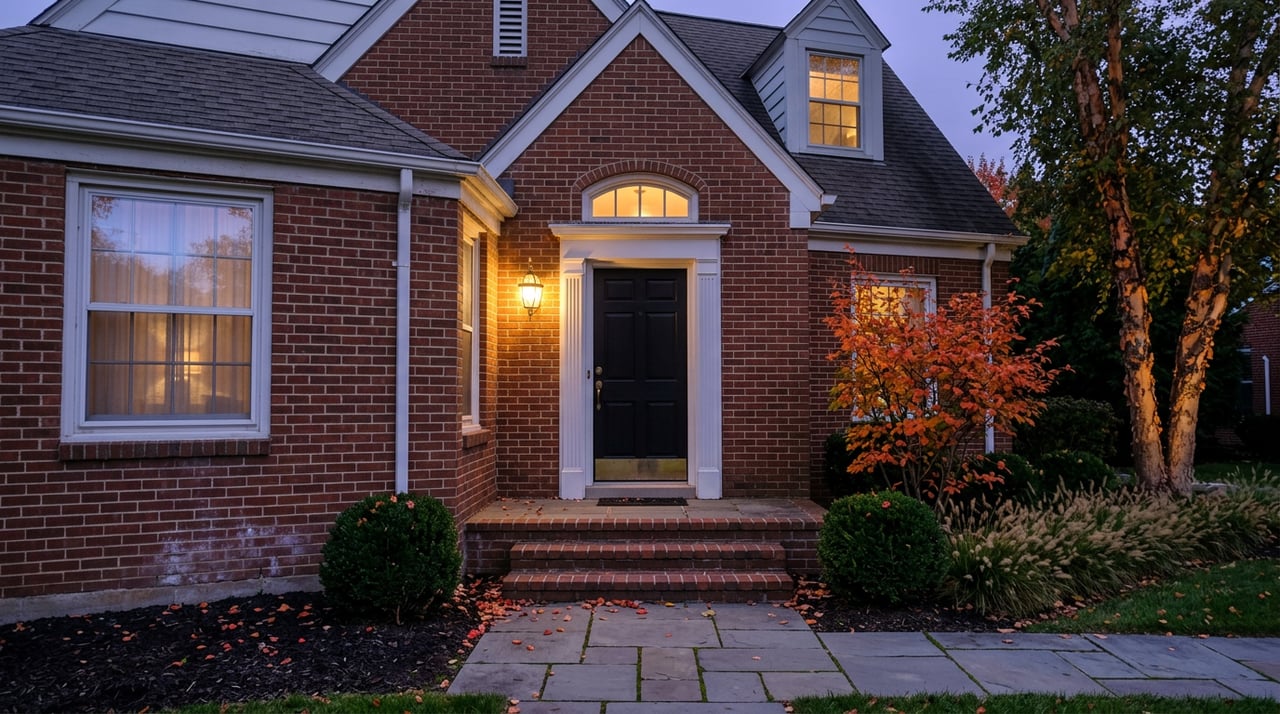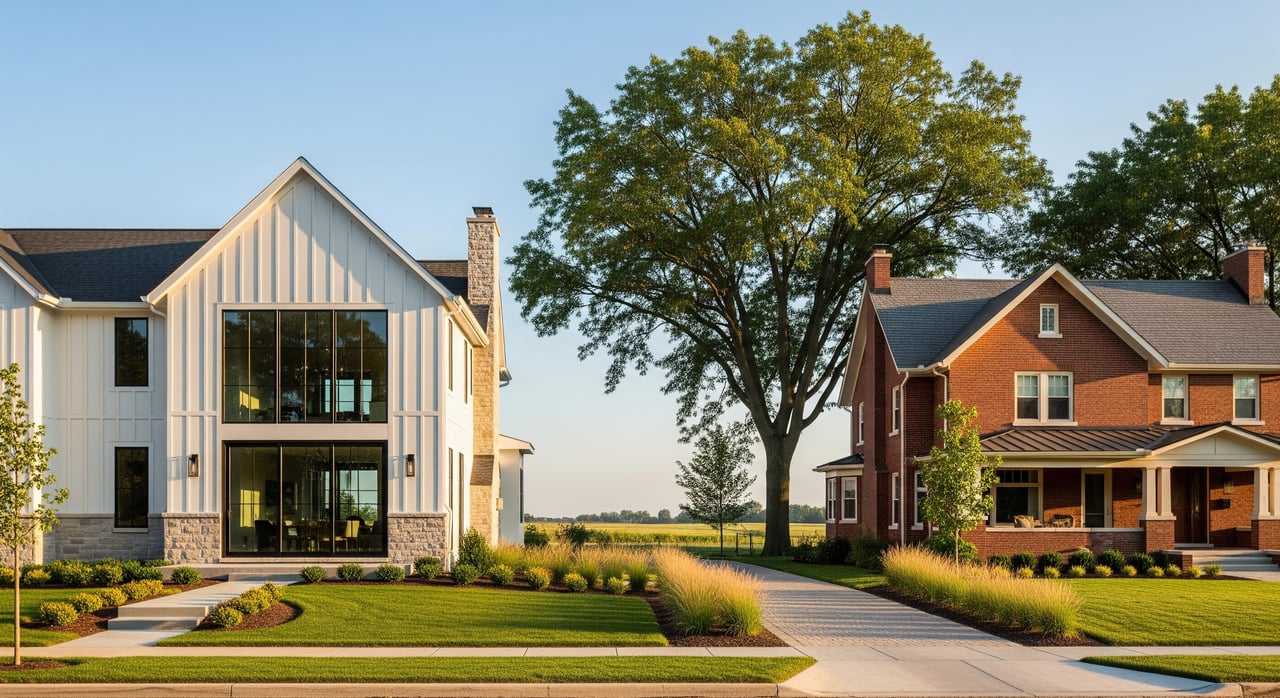
Trying to decide between a brand-new build and an established resale home in Elburn or Elgin? You are not alone. Buyers across Kane County weigh the same tradeoffs around cost, timing, warranties, and long-term upkeep. In this guide, you will learn how each option works in our local market, what to expect at each step, and how to negotiate the best deal. Let’s dive in.
New vs. resale: what to expect
New construction benefits
- More predictable systems and finishes that meet current building codes.
- Builder warranties that cover workmanship, systems, and structural items on set timelines.
- Modern floor plans and energy standards that can lower near-term maintenance.
- Options to customize layouts and finishes if you build from plans.
Resale home benefits
- Often a lower upfront price per square foot compared with new builds.
- Mature landscaping and established neighborhoods with character.
- Flexibility to negotiate on price, credits, and repairs after inspection.
- Immediate occupancy when you close, with no build wait.
Costs in Kane County
Purchase price makeup
- New construction: base price plus lot premium, structural upgrades, design center choices, site work, and permitted options like decks or patios. If you buy a decorated model, expect a model premium. Some builder contracts include escalation clauses tied to materials or indexes, so review that language closely.
- Resale: your price is based on comparable sales and market conditions. You can negotiate seller concessions, rate buydowns, or credits for condition and repairs identified in inspection.
Closing costs and incentives
- New construction: many builders offer closing-cost credits, preferred-lender incentives, or mortgage rate buydowns. Incentives may require you to use a preferred lender or title company. Get all incentives in writing.
- Resale: buyers commonly request seller credits for repairs or for appraisal shortfalls, depending on market dynamics.
Property taxes and HOAs
- New construction often sees an initial assessed value that can change as the home is completed. In some cases, subdivisions have phased assessments or rare abatements. Verify details with the Kane County Assessor.
- Many new subdivisions include HOA fees for common area care or private roads. Established resale neighborhoods may have no HOA or lower dues.
Operating and maintenance costs
- Newer homes often meet more recent energy codes and include modern insulation and HVAC, which can reduce energy use and early repair costs. Larger upgrade packages or bigger square footage can raise utility and maintenance costs.
- Older homes may need near-term updates like roofs, windows, HVAC, or electrical panel upgrades. Budget for capital improvements after you close.
Timelines in Elburn and Elgin
- Quick move-in spec or inventory homes can close in 30 to 60 days, similar to a resale timeline.
- To-build homes typically take 3 to 9 months or longer, depending on builder backlog, weather, permitting, and selections.
- Municipal permits and inspections managed by the Village of Elburn Building Department and the City of Elgin Building Division can affect schedules. Contracts often include an estimated completion date with allowances for delay. Confirm what happens if the builder misses the date.
Warranties and protection
- Builder warranty norms vary, but many follow this pattern: 1 year for workmanship and finishes, 2 years for major systems like plumbing, electrical, and mechanical, and a limited 10-year structural warranty on load-bearing components.
- Warranties usually exclude normal wear, owner maintenance, cosmetic issues after certain periods, or damage from alterations. Ask for the full warranty terms and claim process.
- You can also consider a third-party home warranty for additional systems and appliances coverage. Review deductibles, claim limits, and exclusions.
Inspections you should not skip
For new construction
- Municipal inspections check code compliance at stages like foundation, framing, mechanicals, and final, but they are not a substitute for a private inspection.
- Arrange a pre-drywall inspection to review framing, electrical, plumbing, and insulation before walls are closed.
- Schedule a detailed final inspection and walk-through. Create a written punch list of incomplete items and confirm timing for completion.
For resale homes
- Start with a general home inspection that evaluates structure, roof, systems, plumbing, and electrical.
- Order specialty inspections as needed, such as radon, pest, sewer scope, mold, or lead-based paint in older homes. If a property has a well or septic, schedule those tests as well.
- Use inspection results to guide repair requests, credits, and pricing adjustments within clear contract timelines.
Negotiating in today’s market
With builders: how to maximize value
- Focus on incentives: builders often prefer closing credits, rate buydowns, upgrade allowances, or landscaping credits over lowering the base price.
- Watch timing: you can gain leverage around end-of-month or quarter, or by targeting model homes or quick move-ins.
- Lock in selections early, confirm the change-order process and costs in writing, and ensure incentives are documented with any lender or title conditions.
- Push for a clear punch-list process with deadlines and remedies if items are not completed after closing.
With resale sellers: how to secure repairs and credits
- Prioritize health and safety items and major systems, then consider credits for cosmetic work you prefer to handle yourself.
- Provide contractor estimates to support credit requests, or propose an escrow holdback to fund agreed repairs at closing.
- Use comparable sales and days-on-market to shape your offer and repair strategy. Calibrate your asks based on whether it is a buyer’s or seller’s market.
- Keep deadlines clear for responses and completion, and request proof of permit closure for permitted repairs.
Local factors to verify
- Permits and inspections: check processes with the Village of Elburn and City of Elgin for current turnaround times and required inspections.
- Zoning and subdivision rules: review subdivision covenants, HOA responsibilities, and any impact fees recorded with the county.
- School districts: many Elburn addresses are served by Kaneland CUSD 302. Verify school boundaries for specific lots or listings.
- Property taxes: review how new construction assessments are phased and whether any exemptions apply through the Kane County Assessor.
- Utilities and site details: confirm sewer or septic, water source, stormwater management, and maintenance responsibilities.
- Environmental factors: review FEMA flood maps and Kane County GIS for flood zones or wetlands that can affect insurance and building.
Checklists to keep you on track
New construction buyer checklist
- Research builder reputation and warranty performance history.
- Have the builder contract reviewed for completion dates, escalation clauses, change-order rules, incentive conditions, and warranty terms.
- Clarify what is included in the base price versus upgrades, including appliances and landscaping.
- Schedule private inspections: pre-drywall, mechanical, and final walk-through, then get the punch list in writing.
- Budget for upgrades, closing costs, property taxes, HOA dues, and early lawn or landscaping expenses.
Resale buyer checklist
- Order a full general inspection and any needed specialty inspections such as sewer scope, radon, pest, or roof.
- Review comparable sales and days-on-market to guide your offer.
- Include an inspection contingency with clear timelines for repair negotiations or credits.
- Request seller disclosures and review past permits, utility bills, and an updated survey if available.
- Plan for immediate maintenance and set aside funds for capital replacements.
Resale seller checklist
- Address obvious safety or system issues before listing to reduce buyer objections.
- Consider a pre-listing inspection to anticipate concerns and price appropriately.
- Collect repair estimates and decide when to fix versus credit.
- Refresh curb appeal and organize documentation for any permitted upgrades.
Which option fits you?
If you want modern design, predictable systems, and warranties, new construction in Elburn or Elgin can be a strong choice. If you value an established neighborhood, faster move-in, and the ability to negotiate on price and repairs, a resale may be better. The right answer depends on your budget, timing, and comfort with post-closing projects. A local, data-driven agent can help you run the numbers and structure a deal that protects you from contract to closing.
Ready to compare specific neighborhoods, builders, or listings and craft a negotiation plan? Connect with Marzena Castillo to review your options and schedule showings. Schedule your free consultation.
FAQs
What costs make new construction higher than resale in Kane County?
- New builds include lot premiums, structural and design upgrades, site work, and sometimes model premiums, while resale pricing is based on comps with potential for seller credits.
How long does a to-build home take in Elburn or Elgin?
- Many to-build homes take 3 to 9 months or longer, depending on builder backlog, weather, and permitting through local building departments.
Do I still need a private inspection on a new home?
- Yes. Municipal inspections check code compliance, but a private inspector reviews workmanship and details that protect you before drywall and at the final walk-through.
What do builder warranties usually cover?
- Many include 1 year for workmanship, 2 years for major systems, and a limited 10-year structural warranty, with exclusions for normal wear and owner maintenance.
Can I negotiate price with a builder the same way as a resale seller?
- Builders often prefer incentives like closing credits, rate buydowns, or upgrades instead of lowering base price. Timing and inventory drive your leverage.
How do property taxes work on new construction?
- New homes can see changing assessments as construction completes. Verify assessment timing and any exemptions with the Kane County Assessor.