Thinking about trading Chicago density for more space in the suburbs? If Elgin is on your list, you are probably weighing commute options, home prices, and what day-to-day life might actually feel like once the move is done. This guide will help you understand what to expect when buying in Elgin, how the housing market compares to a city-style search, and what to plan for before you make the jump. Let’s dive in.
Why Chicago Buyers Look at Elgin
Elgin offers a different housing profile than many Chicago neighborhoods. The city’s 2024 population estimate was 114,701, and the 2020-2024 owner-occupied housing rate was 71.9%. That points to a market where homeownership plays a major role in the local housing mix.
For many buyers, that matters because the search often shifts from condos and smaller attached homes to detached homes with more indoor and outdoor space. In Elgin, 65.6% of housing units were 1-unit detached homes in the 2020 ACS, with smaller shares for attached homes and multi-unit properties. If you are leaving a condo or apartment in Chicago, that can open up a very different set of options.
What Commute Options Look Like
One of the biggest questions in any Chicago-to-suburbs move is simple: how will you get where you need to go? Elgin gives you more than one answer. According to the City of Elgin, the community is served by three Metra stations on the Milwaukee District-West line to Chicago Union Station: Big Timber Road, Elgin Station, and National Street.
The city also notes Pace bus connections to CTA and RTA routes. If you drive, the city’s directions point I-90 traffic to the southbound Route 31 Elgin exit. In practical terms, that means your move does not have to depend on a single commute style.
Plan Around Your Real Routine
Before you choose a home, think beyond a map. A rail station that looks close online may feel very different once you factor in parking, drop-off routines, or how often you actually need to be in the city.
If your work schedule is hybrid, Elgin may give you room to balance commute access with more house for your money. If you commute daily, station access and drive times may become a higher priority than lot size or finishes. That tradeoff is easier to manage when you decide early what matters most.
What Homes in Elgin Usually Look Like
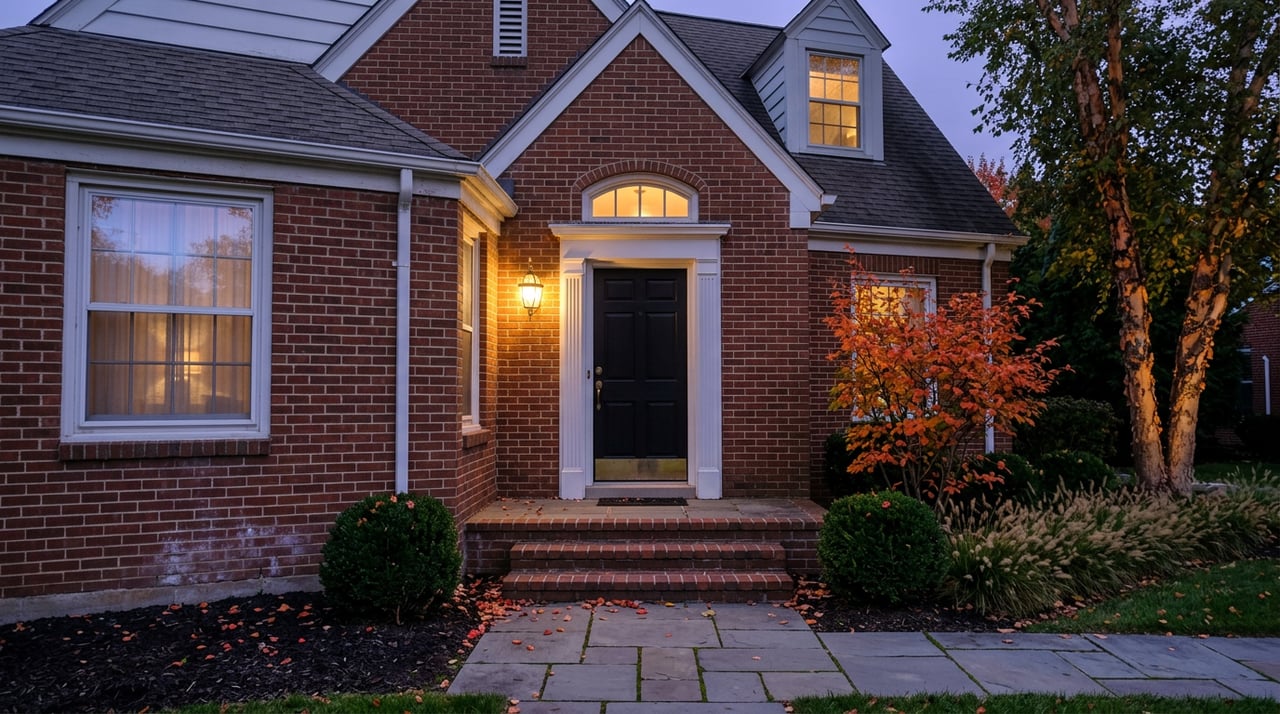
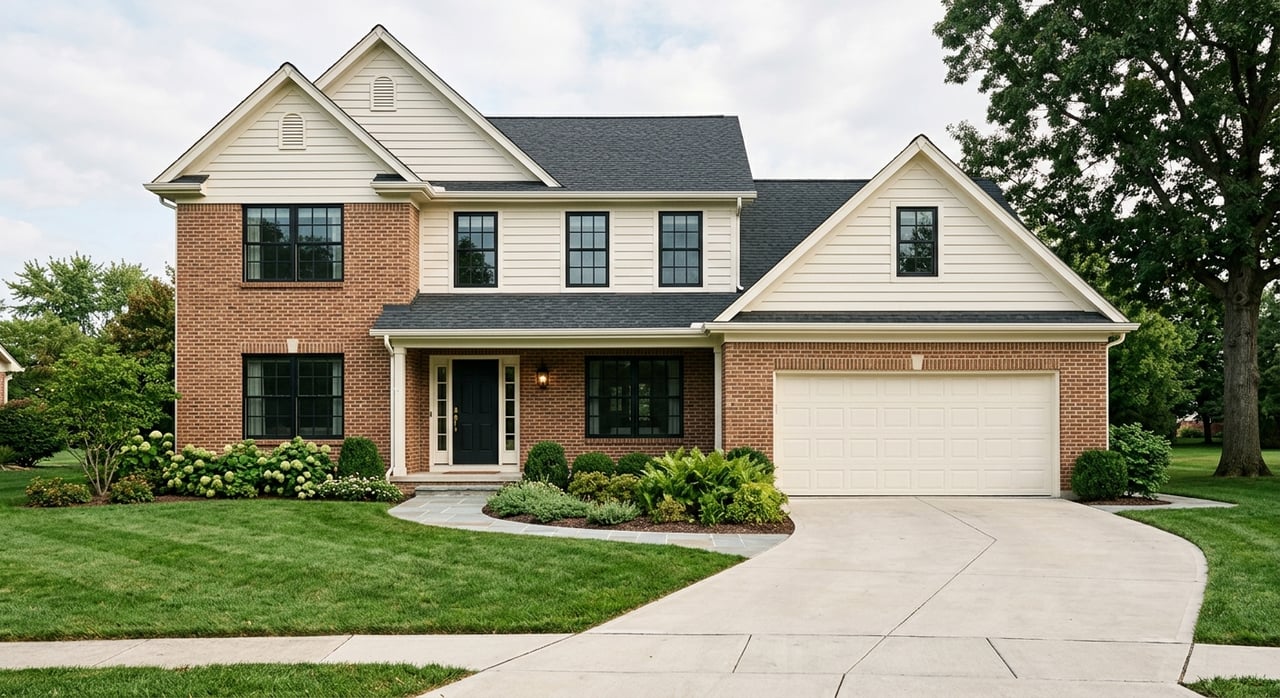
If you are used to shopping for Chicago condos, two-flats, or smaller attached homes, Elgin will likely feel more suburban right away. The housing stock leans heavily toward detached homes, with attached and small multi-unit properties making up a much smaller share of the market.
That often means buyers can focus more on layout, lot size, storage, garage space, and the condition of the home itself. Instead of comparing elevator buildings, association rules, or shared amenities, you may spend more time looking at yards, basements, roofs, and mechanical systems.
Expect a Broader Search Criteria
A suburban home search usually comes with more variables. You may be comparing ranch homes, split-levels, two-story homes, townhomes, and newer subdivisions rather than units in similar condo buildings.
That can be exciting, but it also means your must-have list needs to be clear. Think about how many bedrooms you truly need, whether a garage is essential, and how much upkeep you want to take on. More space can be a win, but it also comes with more maintenance decisions.
What Elgin Home Prices Look Like
When buyers ask, “What does a home cost in Elgin?” the honest answer is that it depends on the source, the home type, and the date of the data. The Census Bureau’s 2020-2024 estimate put the median value of owner-occupied homes at $273,000. More recent market snapshots show higher current pricing activity.
Redfin reported a March 2026 median sale price of $330,000, while Zillow’s April 2026 typical home value for Elgin was $333,920. Because these figures measure different things, it is more accurate to treat them as a range instead of one fixed price point.
A Practical Budget Range
For many buyers, the most useful takeaway is this: a large share of the market may fall in the low-to-mid $300,000s. At the same time, condition, location within Elgin, and home type can push pricing above or below that range.
That is why your search should be based on monthly comfort, not just the sticker price. The Census QuickFacts snapshot also lists median selected monthly owner costs with a mortgage at $2,016. That can help frame the monthly picture as you compare Elgin with your current housing costs in Chicago.
How Competitive the Market Feels
Elgin is not standing still, but it is also not described as an ultra-fast frenzy in the latest snapshot. Redfin described Elgin as somewhat competitive, with homes receiving about two offers on average and selling in around 58 days.
For buyers, that can create room to be thoughtful without assuming every home will wait. Well-priced homes in strong condition can still move quickly, while others may offer more time for review and negotiation.
What This Means for Your Offer Strategy
If you are moving from a market where you expect instant bidding wars, Elgin may feel more manageable. That does not mean you should move slowly on the right property. It means preparation matters more than panic.
Get clear on your budget, financing, and priorities before you start touring seriously. That puts you in a stronger position when the right home appears and helps you avoid rushing into a house that does not really fit your needs.
Best Time to Start Your Move
Timing matters, especially if you are coordinating a lease ending, school-year transition, sale of a current home, or job change. Zillow notes that spring and early summer usually bring the most listings, especially in April and May, but also the highest competition.
Late summer and winter often bring less competition and more room for negotiation. That does not automatically make one season better for every buyer, but it does show why planning early is so important.
Start Before You Need to Move
If you know a move is coming, begin sooner than feels necessary. Give yourself time to compare neighborhoods, study commute patterns, line up financing, and understand what your budget buys in real terms.
A rushed suburban purchase can lead to compromises that feel bigger after move-in. Starting early gives you more confidence and more control.
How Buying in Elgin Differs From Buying a Chicago Condo
For many Chicago buyers, one of the biggest adjustments is not just location. It is the type of property you are buying. Condo purchases often involve building financials, association documents, reserve questions, and monthly dues that are paid separately from the mortgage.
Illinois IDFPR states that a condominium is a form of ownership, not a building style, and buyers can request governing documents, financial information, reserve information, pending-suit information, and insurance details. If you are buying a condo, that review matters.
House Shopping Shifts Your Focus
If you move from a condo search to a detached home search in Elgin, there is often less building-document review and more attention on the property itself. You may still see HOA dues in some communities, but the buying focus often shifts toward the home’s condition, systems, exterior, and lot.
That means inspections can feel more detailed and more personal. Instead of asking mainly about common areas or association budgets, you may spend more time evaluating the roof, foundation, windows, drainage, furnace, air conditioning, and overall maintenance.
Budget Beyond the Purchase Price
A smart suburban move budget should include more than the home price. In Elgin, the Census QuickFacts snapshot lists median selected monthly owner costs with a mortgage at $2,016 and median gross rent at $1,361. Those numbers can help anchor your comparisons as you think through monthly affordability.
You should also be prepared for expenses that may look different from city living. Depending on the property, that can include insurance, property taxes, utilities, maintenance, and any HOA dues if the home is in an association-governed community.
Think in Monthly Terms
The most useful suburban budget is usually the full monthly number. That includes principal and interest, taxes, insurance, and any HOA dues, plus a realistic maintenance cushion.
This matters even more if you are moving from a condo where some upkeep costs were built into monthly assessments. Owning a detached home often gives you more control, but it also gives you more direct responsibility.
What First-Time Suburban Buyers Should Expect
Even if you have bought before, your first suburban purchase can still feel new. The process still centers on preparing finances, comparing mortgage options, making an offer, completing inspections, and getting to closing.
What changes is often the level of property detail you need to review. A house purchase may involve more questions about the structure, site conditions, and maintenance history than a typical condo search.
Keep the Process Simple
A clear step-by-step approach can help:
- Review your budget and monthly comfort zone.
- Compare mortgage options before you tour seriously.
- Narrow your search based on commute and home type.
- Tour with your must-haves in mind.
- Move quickly when a strong match appears.
- Use inspections to understand the home in detail.
- Plan closing and move logistics early.
That structure can make a relocation feel much more manageable, especially if you are balancing work, family, and a move out of the city.
Why Local Guidance Matters
A Chicago-to-Elgin move is not just about finding a house online. It is about understanding how a suburban search works, what price points look like in real time, and how to balance commute, condition, and long-term fit.
That is where local guidance can make a real difference. Having an agent who understands the Fox Valley suburbs, explains the numbers clearly, and helps you stay focused can save time and reduce stress.
If you are planning a move from Chicago to Elgin, Marzena Castillo offers hands-on relocation support, local market insight, and clear guidance to help you buy with confidence.
FAQs
What are the main commute options from Elgin to Chicago?
- Elgin has three Metra stations on the Milwaukee District-West line to Chicago Union Station: Big Timber Road, Elgin Station, and National Street. The city also notes Pace bus connections and access for drivers via I-90 and Route 31.
What home styles are most common for buyers moving to Elgin?
- Elgin’s housing stock leans heavily toward single-family detached homes. In the 2020 ACS, 65.6% of housing units were 1-unit detached, which makes detached homes a common option for buyers leaving Chicago condos or apartments.
What price range should buyers expect in Elgin?
- Recent market snapshots suggest many buyers will be shopping in the low-to-mid $300,000s, though some homes will fall below or above that range depending on condition, home type, and location within Elgin.
How is buying a house in Elgin different from buying a Chicago condo?
- A house purchase often involves less association-document review and more attention to the home itself, including the roof, systems, foundation, and maintenance history. If a property has an HOA, buyers should still review those costs and rules carefully.
What monthly housing costs should buyers plan for in Elgin?
- Buyers should look beyond the purchase price and plan for the full monthly cost, including mortgage payment, property taxes, insurance, maintenance, and any HOA dues if they apply. The Census QuickFacts snapshot lists median selected monthly owner costs with a mortgage at $2,016.
When is the best time to buy a home in Elgin?
- Spring and early summer often bring the most listings, while late summer and winter may offer less competition and more room for negotiation. The best timing depends on your readiness, financing, and move schedule.