If you are thinking about selling a rental or investment property in West Chicago, timing and paperwork matter just as much as price. You may be weighing tenants, lease deadlines, repairs, city requirements, and what buyers will actually pay in today’s market. The good news is that with the right plan, you can protect your timeline, present the property well, and make smarter decisions before you list. Let’s dive in.
West Chicago Market Basics
Selling an investment property starts with understanding what local market numbers really mean. In West Chicago, recent data points show an active market, but they do not all measure the same thing.
Redfin reported a median closed-sale price of $419,749 in May 2026, with a median 43 days on market and a 102.2% sale-to-list ratio. Zillow showed an average home value of $391,492 and homes going pending in about 7 days as of May 31, 2026. Realtor.com showed a $450,000 median listing price and about 27 days on market, while describing West Chicago as a balanced market.
Those numbers can all be true at the same time because they track different things. Closed-sale prices, listing prices, and automated value estimates are not interchangeable. For a rental or investment property, pricing should be based on local comparable sales, the tenant situation, the property’s condition, and the income story a buyer will see.
Selling With Tenants In Place
One of the biggest questions owners ask is whether they can sell while the property is occupied. In Illinois, the answer is usually yes.
A sale does not usually end a lease just because ownership changes. In most cases, the lease continues, the buyer becomes the new landlord, and rent is paid to the new owner. That is why the exact lease language matters so much before you decide how to market the property.
Some written leases may include terms that affect what happens if the property is sold. Before setting a list date or promising vacant possession, review the lease carefully. If you want a clean sale process, it helps to know early whether you are marketing to owner-occupants, investors, or both.
Know Your Lease Timing First
If your goal is to sell vacant, do not assume you can line up the move-out date with your ideal closing date. Illinois notice rules depend on the type of tenancy.
For tenancies of less than one year that are not week-to-week, a landlord may terminate with 30 days’ written notice. Week-to-week tenancies require 7 days’ written notice. If a tenancy simply ends by its own fixed term, a separate notice to quit is generally not required.
That said, some written leases, especially auto-renewing agreements, can have different notice requirements. Before you build your listing strategy, confirm the lease expiration date, renewal terms, and any notice language. That step can save you from missed timelines and buyer confusion later.
Do Not Assume You Can Force Vacant Possession
If a tenant does not cooperate, Illinois law does not allow self-help eviction. You cannot lock a tenant out, shut off utilities, or remove personal belongings to force a move.
If possession becomes an issue, the court process must be used, and only a sheriff can physically carry out an eviction after the case is decided. For sellers, that means it is far better to plan ahead, communicate clearly, and avoid promising a vacant closing unless the facts support it.
Security Deposits Need Careful Handling
Security deposits often get overlooked during a sale, but they can create real liability if handled poorly. In Illinois, the deposit generally transfers with the property, and the buyer becomes liable for it.
The seller is not automatically off the hook, though. Under Illinois law, the transferor remains jointly and severally liable for a transferred deposit. That means the paper trail matters.
If deductions are taken after move-out, the landlord must provide an itemized statement and receipts within 30 days. If that does not happen, the full deposit must be returned within 45 days. In bad-faith deposit situations, a court can award twice the deposit plus costs and attorney’s fees.
West Chicago Rental Rules Matter
West Chicago has local rental compliance rules that should be part of your sale prep. The city requires a Residential Rental Property License and annual rental inspections.
During inspection, the landlord must provide proof of a valid lease for each rental unit. Each lease must also include wording showing the tenant’s written consent to allow city inspection. The license year runs from January 1 to December 31, renewals are due before January 1, and late renewals after January 1 carry a 20% penalty.
If you are selling, buyers may ask whether the property is properly licensed and up to date on inspections. Having those records organized can make your listing feel more credible and easier to underwrite.
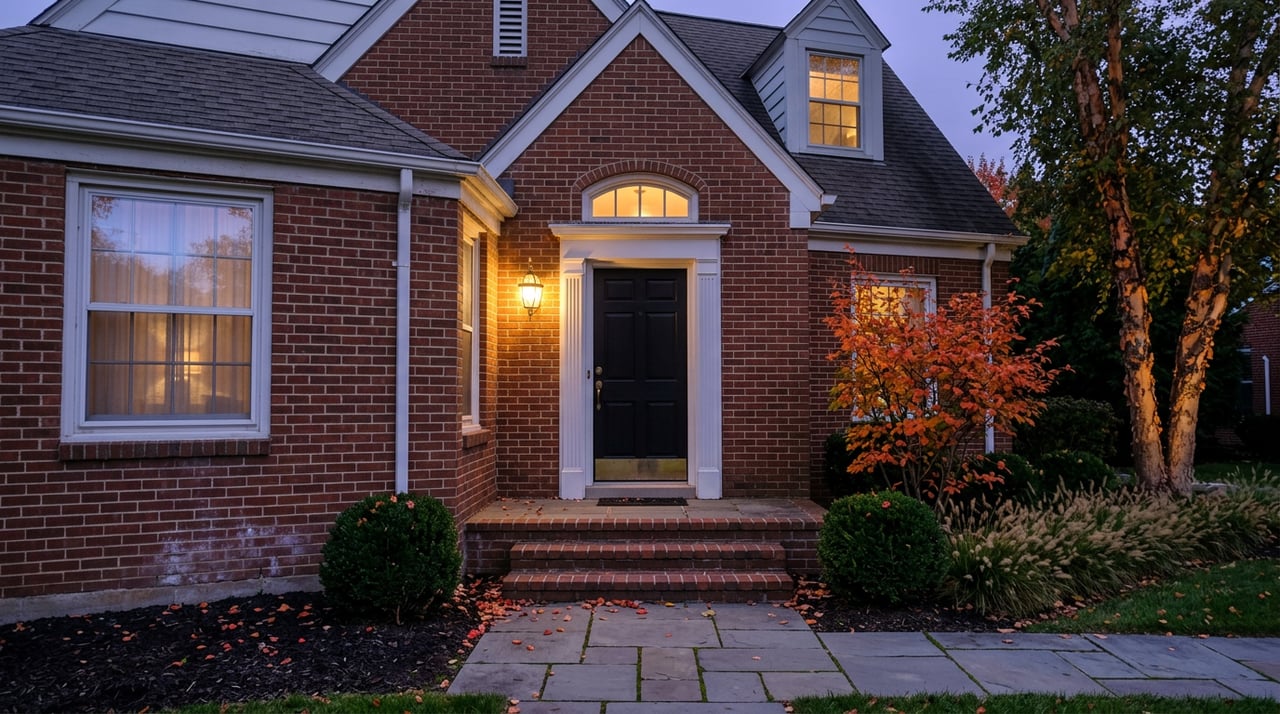
Prepare The Property For Showings
When you sell a rental, presentation still matters. Even investor buyers notice deferred maintenance, and owner-occupant buyers will notice it even more.
In West Chicago, code enforcement highlights issues such as tall grass and weeds, peeling or fading paint, pests, unapproved parking surfaces, and inoperable or unlicensed vehicles stored outside. The city also emphasizes maintenance of vacant properties. These are practical items to address before photos, showings, or a buyer inspection.
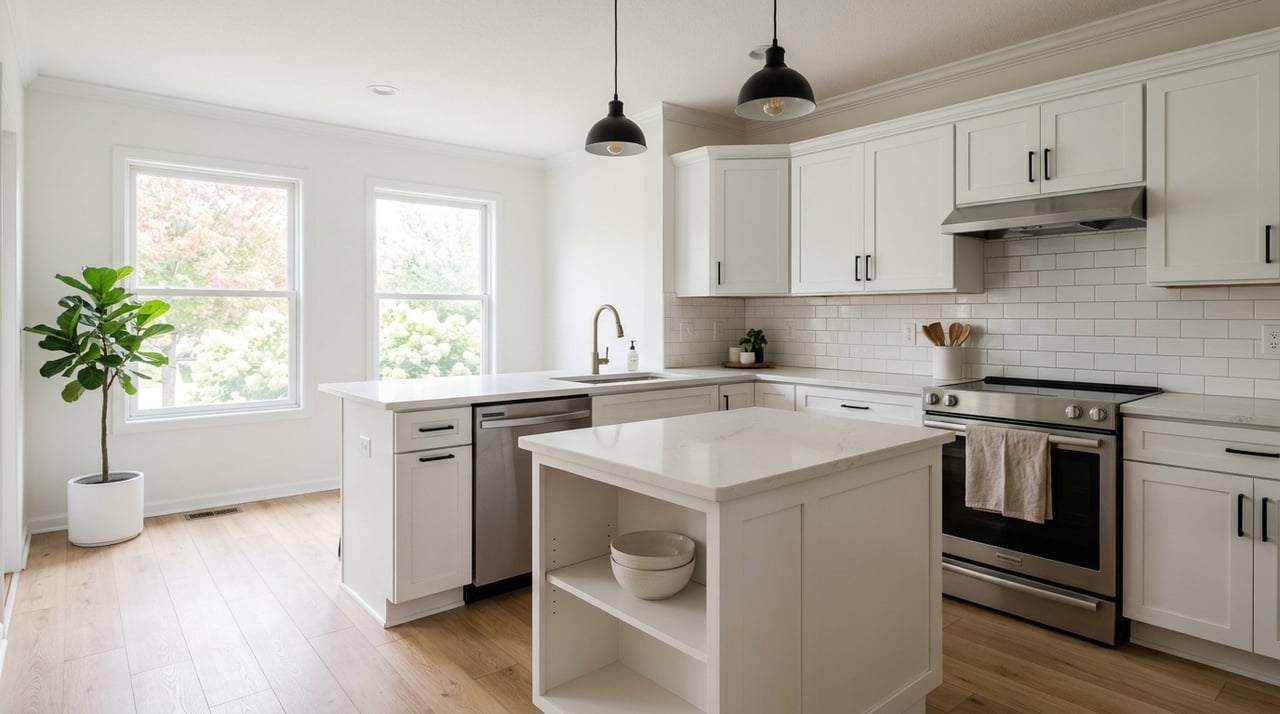
For most sellers, the best prep work is simple and visible. Fresh paint, updated fixtures, landscaping, cleanup, and basic code-compliance fixes usually make more sense than a large remodel, unless a major repair issue truly needs attention.
Create A Written Tenant Plan
A clear written plan can reduce stress for everyone involved. It can also help avoid disputes over access, repairs, and showings.
A practical transition plan should spell out how showings will be handled, when notice will be given, how repairs will be coordinated, where rent should be paid after closing, and who is responsible for move-out tasks if the property will be delivered vacant. Dated records, emails, notices, and photos are all helpful if questions come up later.
Good communication does not guarantee smooth cooperation, but it gives you a much stronger position. It also signals to buyers that the property has been managed thoughtfully.
What Investment Buyers Will Review
Investors usually evaluate a property as an income stream, not just a home. That means your paperwork can be just as important as your listing photos.
A buyer will often want to review:
- Current lease copies
- A rent roll
- Security deposit records
- Occupancy status
- Lease expiration dates
- Basic operating history
- Known repair or maintenance issues
These documents help a buyer understand cash flow, vacancy risk, and whether rents appear stable or below market. They also help support pricing if you are marketing to investors who care about net operating income and cap rate, which is the property’s net operating income divided by its market value or purchase price.
Price For The Buyer You Want
The best pricing strategy depends on who is most likely to buy your property. A tenant-occupied home may appeal more to investors if the lease, rent level, and condition create a predictable income story.
A vacant and refreshed property may attract a broader pool, including owner-occupants, depending on the layout and neighborhood. That is why pricing by generic suburb averages can miss the mark.
In West Chicago, recent market data suggest that well-positioned listings can still attract offers close to asking price, even when the property does not go under contract immediately. Smart pricing is less about chasing one headline number and more about matching market evidence to your property’s exact situation.
Think About Taxes Early
If this is an investment property, tax planning should happen before you sign a contract, not after. A sale can raise questions about capital gains, depreciation recapture, and whether a Section 1031 exchange might apply.
The right path depends on your ownership history, how the property has been used, and what you plan to do next. A tax professional can help you understand your options before you commit to a closing structure.
A Smarter Way To Sell In West Chicago
Selling a rental or investment property in West Chicago is rarely just a standard home sale. You may be balancing lease terms, tenant communication, city compliance, curb appeal, buyer expectations, and pricing strategy at the same time.
When you prepare early and organize the right details, the process becomes much more manageable. If you want local guidance on pricing, timing, and positioning your property for the right buyer pool, Marzena Castillo can help you build a clear plan.
FAQs
Can you sell a rental property with tenants in place in West Chicago?
- Yes. In most cases, the lease continues after the sale, and the buyer becomes the new landlord unless the lease says otherwise.
Do you need to wait for the lease to end before selling a West Chicago investment property?
- No. You can often sell before the lease ends, but whether you can deliver the property vacant depends on the lease terms and Illinois notice rules.
What happens to a tenant’s security deposit when you sell in Illinois?
- The security deposit generally transfers with the property, and the buyer becomes liable for it.
Can a landlord force a tenant out before closing in Illinois?
- No. A landlord cannot use lockouts, utility shutoffs, or property removal to force a tenant to leave. The court process is required.
What West Chicago rental compliance items should sellers check before listing?
- Review the Residential Rental Property License, annual inspection status, lease documentation, and visible exterior issues like weeds, peeling paint, parking surfaces, pests, and vacant-property upkeep.
What documents should you gather before listing an investment property in West Chicago?
- Start with lease copies, a rent roll, security deposit records, occupancy details, lease expiration dates, and a basic operating history.