If you like the idea of less exterior upkeep but still want to own a home in a well-connected suburb, Aurora should be on your radar. Townhomes and condos can be a smart fit here, but the right choice depends on more than price alone. When you understand ownership structure, monthly costs, rules, and location tradeoffs, you can buy with much more confidence. Let’s dive in.
Why Aurora Works for Attached Homes
Aurora offers a mix of convenience that many attached-home buyers want. The city highlights access to the East/West Tollway corridor, major retail areas, and broad boundaries that stretch from Route 59 to beyond Orchard Road. That can make daily errands, commuting, and regional travel easier.
Transit is part of the appeal too. Aurora points residents to the Metra BNSF Railway, Pace buses, and Illinois toll highways, while downtown Aurora includes a commuter station and a mix of residential, retail, entertainment, and restaurant spaces. If you are comparing a condo or townhome with a detached house, that kind of accessibility can be a major value driver.
Outdoor amenities also add to the lifestyle. Aurora highlights Phillips Park, a 325-acre destination with a zoo, golf course, and aquatic center, along with other community parks and RiverEdge Park. If you want low-maintenance living without giving up access to green space, Aurora offers strong options.
Condo vs. Townhome in Illinois
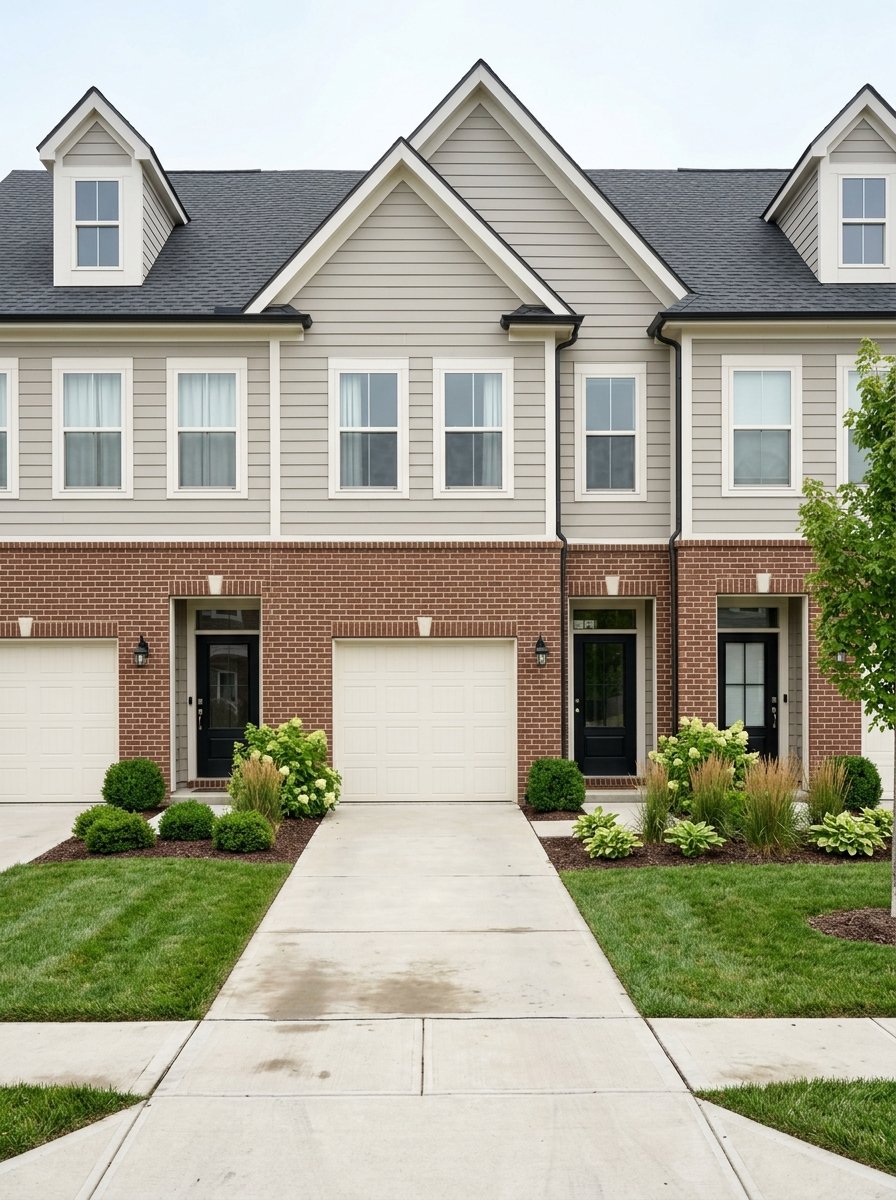
One of the biggest buyer mistakes is assuming the marketing label tells you everything. In Illinois, a property called a townhome may not be legally structured the same way as a condominium. That matters because ownership rights, maintenance duties, and association rules can differ.
According to the Illinois Department of Financial and Professional Regulation, condominium owners own their unit and share ownership of the common elements. In a non-condo common-interest community, owners usually own the land and the home itself while paying assessments for shared facilities and restrictions set by the community documents.
In simple terms, two Aurora properties may both look like townhomes, but the legal setup behind them may be very different. That is why you should review the recorded declaration, bylaws, or operating documents instead of relying on the listing description alone.
Why the Legal Structure Matters
The legal structure affects how the community is run and what you are responsible for as an owner. It can influence maintenance obligations, insurance responsibilities, approval rules, and resale disclosures. These details shape both your monthly budget and your day-to-day experience.
A fee-simple townhome in a common-interest community may give you ownership of the land and structure. A condominium usually divides ownership differently, with common elements shared among unit owners. Before you commit, make sure you know exactly what you own and what the association controls.
What Your Monthly Budget Should Include
When you buy a condo or townhome, your mortgage payment is only part of the picture. Monthly HOA dues are usually paid separately from the mortgage, and your true housing cost should include principal, interest, property taxes, homeowners insurance, and HOA fees.
Association dues can vary widely. Factors like location, property age, condition, value, and amenities all affect the amount. That means two similar-looking attached homes in Aurora may come with very different monthly ownership costs.
Questions to Ask About HOA Dues
Before you move forward, ask for a clear breakdown of what the dues cover. This can help you compare homes more accurately and avoid surprises after closing.
- Are roof or siding maintenance costs included?
- Does the HOA handle snow removal or landscaping?
- Are water or trash services included?
- Are there amenities that affect the monthly fee?
- Have dues increased recently?
Layout Matters More Than Many Buyers Expect
With attached homes, the floor plan can affect daily life as much as the location. A condo flat, stacked unit, and multi-level townhome can all feel very different once you move in. It is worth thinking beyond square footage.
You should also look closely at how the home functions for your routine. Parking, stairs, storage, and entry style can make a big difference in convenience and comfort.
Layout Questions to Review
Use this checklist as you tour properties in Aurora:
- Is the home a condo flat, stacked unit, or multi-level townhome?
- Is the entry private or shared?
- Is parking attached, assigned, or first-come-first-served?
- How much stair use is involved each day?
- Is outdoor space private or shared?
- Is there enough storage for seasonal items?
These questions sound simple, but they can shape how livable the home feels over time. A lower-maintenance property only works if the setup fits your actual lifestyle.
Review Rules Before You Buy
Attached-home living often means less exterior maintenance, but it can also mean less autonomy. Community rules may limit exterior changes, landscaping choices, parking use, rentals, pet policies, or renovation plans. You want to know those rules before you fall in love with a property.
Fannie Mae notes that HOA boards maintain common areas, collect fees, and may require approval for certain changes. So if you want flexibility to make updates or use the property in a specific way, review the governing documents early.
Key Rule Questions to Ask
Here are some of the most important questions to raise before you commit:
- Are rentals allowed, limited, or prohibited?
- Are there pet restrictions?
- Are there parking or storage rules?
- Do renovations need prior approval?
- Who handles exterior changes or repairs?
These answers can affect both your day-to-day use of the home and its long-term value to you. Clarity up front can save you from frustration later.
Check Reserves and Special Assessments
One of the most important parts of condo and townhome due diligence is understanding the association’s financial health. A low monthly fee may look attractive, but it does not always mean the association is well prepared for major repairs.
You should ask whether the community has a reserve fund and whether there have been recent or planned special assessments. Special assessments may be used for major one-time expenses or to supplement reserves. That can have a direct impact on your future costs.
Association Documents to Review
Illinois condo resale law requires disclosure of important association information before closing. That may include:
- The declaration and bylaws
- Unpaid assessments
- Anticipated capital expenditures
- Reserve status
- Financial condition
- Pending suits or judgments
- Insurance coverage
This packet is not just paperwork. It is one of the best tools you have for understanding what you are buying and what risks may come with it.
Why the Resale Packet Is So Important
In Illinois, condo buyers have meaningful protections tied to required resale disclosures. If the seller does not provide the required information on time, the contract may become voidable until the missing materials are delivered. A buyer may also be able to rescind before closing if full disclosure is not made.
That makes the association packet a core part of your decision-making process. Instead of treating it like a final step, review it carefully while you still have time to ask questions and reassess the deal if needed.
Aurora Location Factors to Compare
Not every part of Aurora offers the same lifestyle. Your ideal fit may depend on whether you want easy highway access, transit convenience, nearby shopping, or proximity to parks and downtown amenities.
Aurora’s east-side retail corridors are a good example. Chicago Premium Outlets is off I-88 at the Farnsworth Avenue North exit, and Fox Valley Mall is along Route 59 between U.S. 34. If convenience and errands matter most, these areas may stand out.
Downtown Aurora offers a different kind of appeal. With rail access, mixed-use spaces, and a commuter station, it may suit buyers who value transit-oriented living and a more connected urban-suburban feel.
For buyers who prioritize outdoor access, Phillips Park, Garfield Park, RiverEdge Park, and other community parks expand Aurora’s amenity base. If you do not need a private yard, nearby public green space can make condo or townhome living feel like a stronger tradeoff.
Confirm the Exact Property Details
Aurora spans four counties and six school districts, so small location differences can have a big impact. Before you make a decision, confirm the exact parcel, tax bill, and school district tied to the home you are considering. This is especially important if you are comparing options across downtown, east-side retail areas, and west-side commuter corridors.
If a property is in one of Aurora’s historic districts, there may be added considerations. The city requires historic disclosure at sale and may impose exterior-alteration standards. That is another reason to verify property-specific details early.
How to Choose the Right Attached Home
The best choice is not simply condo versus townhome. The real question is which ownership structure, HOA setup, physical layout, and Aurora location best match your budget and daily routine.
For many buyers, attached homes work well because they offer lower-maintenance living and access to amenities, transit, shopping, and parks. The tradeoff is that you may have less control over certain exterior or community-related decisions. When you understand that balance, you can make a choice that feels practical and sustainable.
If you want help comparing Aurora condos and townhomes, reviewing location tradeoffs, or making sense of association documents, Marzena Castillo can guide you through the process with local insight and clear advice.
FAQs
What is the difference between a condo and a townhome in Aurora?
- In Illinois, a condo usually means you own your unit and share ownership of common elements, while some townhomes are fee-simple homes in a common-interest community where you may own the land and home itself.
What should buyers budget for when buying a condo or townhome in Aurora?
- Your monthly housing cost should include mortgage principal and interest, property taxes, homeowners insurance, and HOA dues.
What should buyers review in an Aurora HOA before closing?
- You should review what dues cover, reserve funds, recent or planned special assessments, insurance responsibilities, rules, and the association’s financial and legal disclosures.
Why do Aurora location details matter when buying an attached home?
- Aurora offers different lifestyle advantages depending on the area, including highway access, rail access, shopping corridors, downtown convenience, and proximity to parks.
What should buyers confirm about a specific Aurora condo or townhome?
- You should confirm the legal ownership structure, exact parcel, tax bill, school district, parking setup, layout details, and whether any historic district rules apply.